October is a useful time to turn a custom home idea into a workable plan in Waterford and surrounding Eastern Connecticut communities. Before choosing house builders in CT, compare how each company approaches the land, design, budget, and decisions that shape construction. The following seven questions can reveal meaningful differences before you commit to a builder or a set of drawings.
1. Have You Built Homes That Match My Priorities?
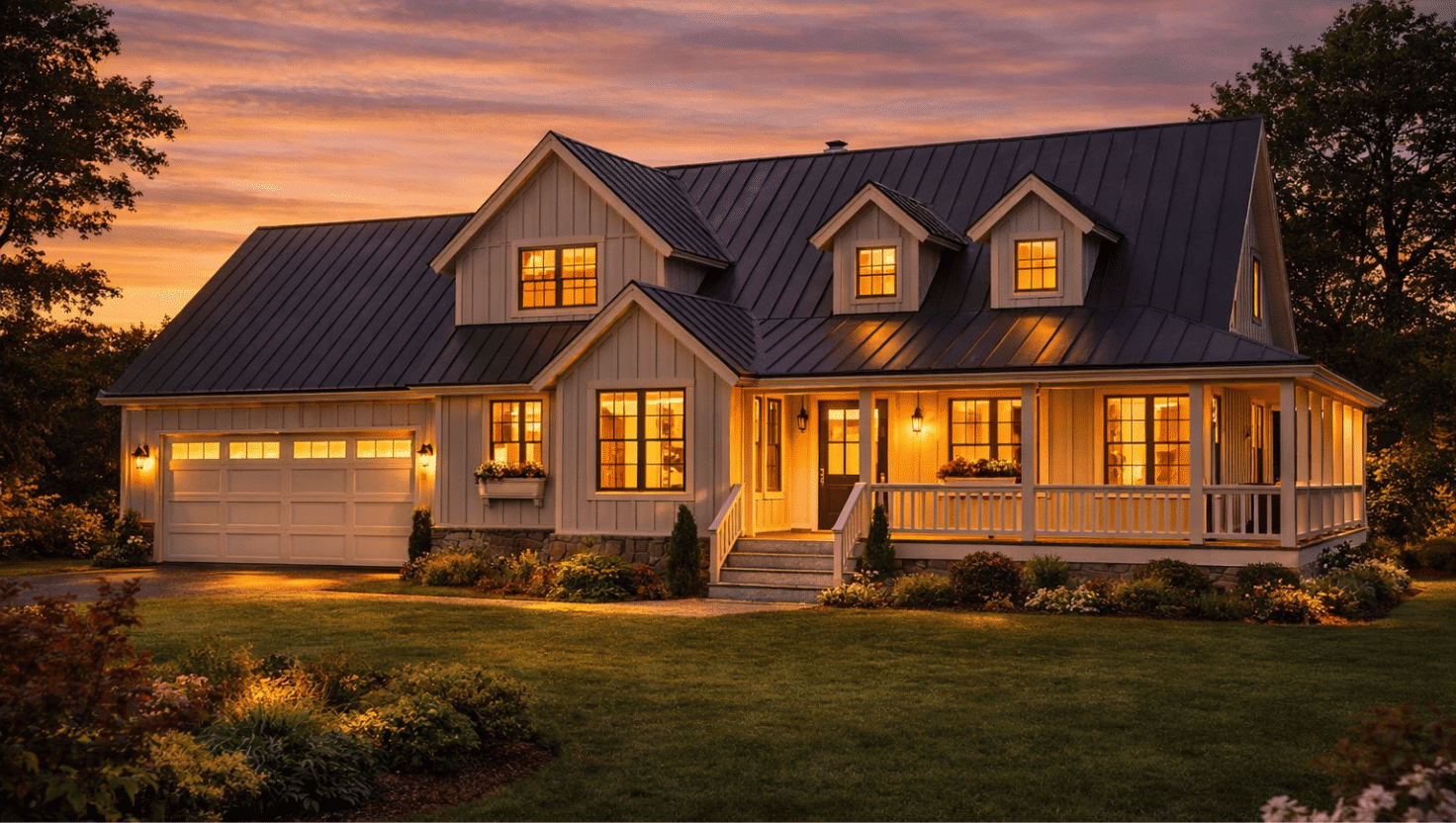
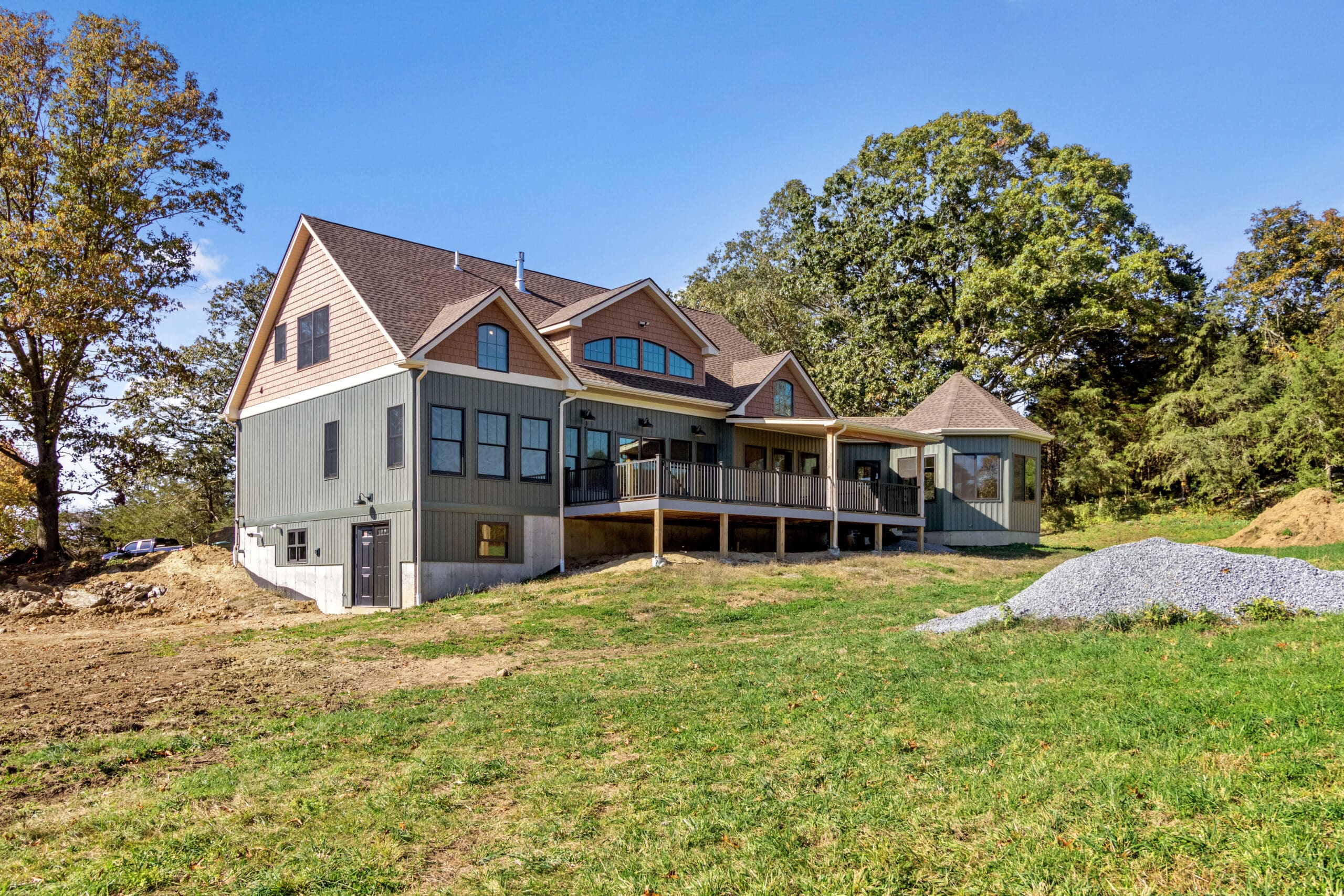
A portfolio should show more than attractive photographs. Look for examples with a similar lot, architectural style, layout, or level of customization. Ask what challenges arose and how the builder responded. Caulkins Homes publishes completed projects in its Our Work gallery, giving prospective clients a starting point for a more specific conversation about craftsmanship and design choices.
2. Can You Help Evaluate the Lot Before Design Begins?
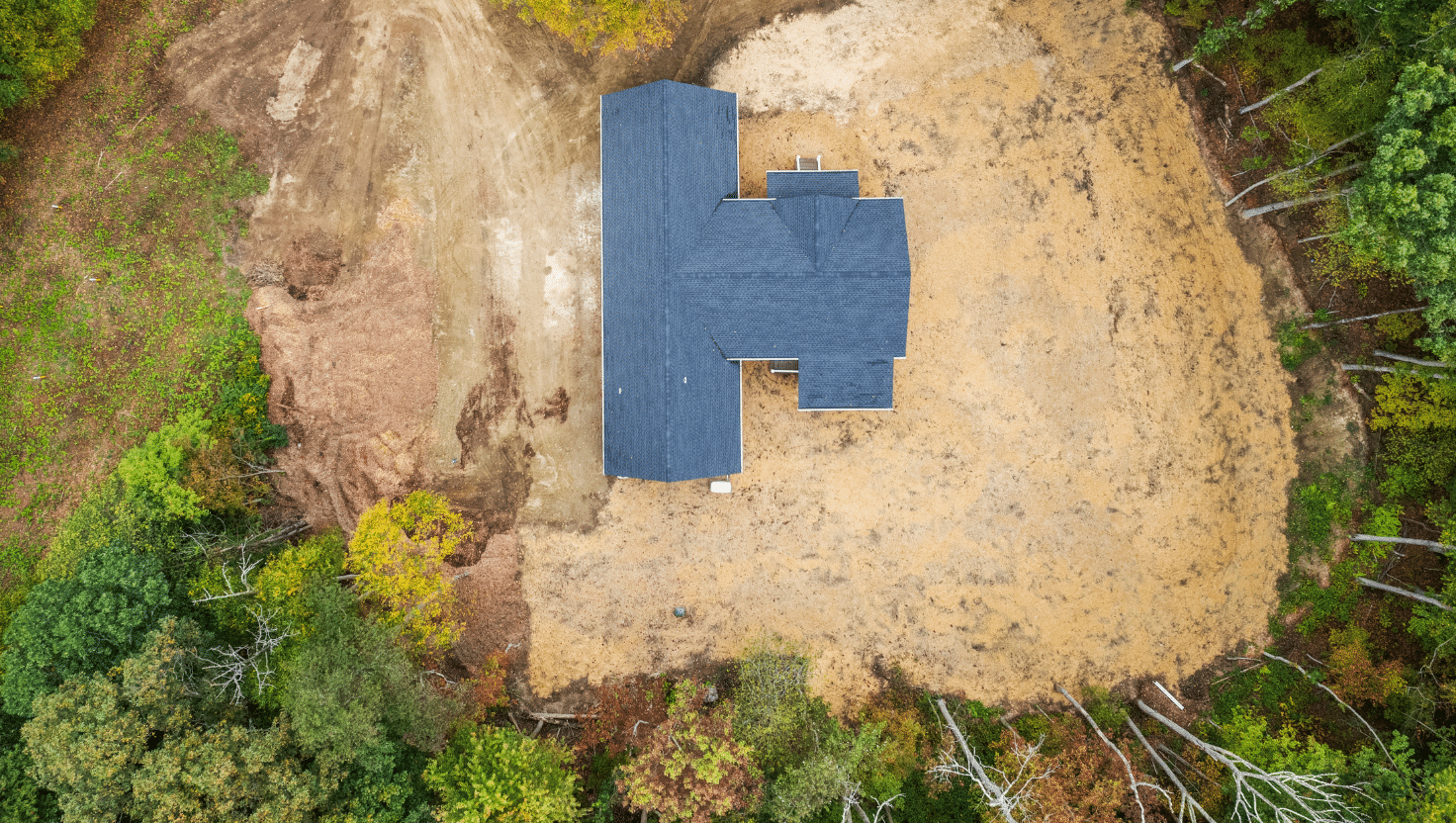
A beautiful floor plan may not suit an unsuitable parcel. Ask about setbacks, grading, drainage, access, utilities, and local approvals before purchasing land or finalizing drawings. Caulkins Homes describes options for building on land you already own, finding a parcel, or considering its available lots through its land services. This is especially useful if your October plans involve evaluating properties rather than starting excavation immediately.
3. Who Coordinates the Design and Construction Teams?
Some projects involve separate designers and builders; others use an integrated approach. Ask who develops the plans, checks buildability, and resolves differences between your design goals and budget. Caulkins Homes explains its in-house custom house design approach, where design decisions are coordinated with construction planning. Clarify which approvals you make personally and when choices become difficult to change.
4. What Is Included in the Preliminary Budget?
A headline price cannot tell you whether two proposals cover comparable work. Request a breakdown of site work, materials, finishes, allowances, permit costs, and contingencies. Ask these follow-up questions:
- Which selections have fixed prices versus allowances?
- How will changes be priced and approved?
- What happens if unexpected site conditions increase costs?
A transparent builder should explain assumptions and exclusions instead of promising a number that cannot yet be supported.
5. How Will October Planning Affect the Schedule?
An October consultation does not guarantee a winter groundbreaking. Surveys, design revisions, financing, permitting, subcontractor availability, and site conditions can all affect when work starts. Ask for the next milestones and the dependencies behind them. Caulkins Homes outlines its custom home building process, which can help you frame questions about the sequence from planning to construction.
6. Who Will Keep Me Informed?
Find out who your main contact will be, how frequently you’ll receive updates, and how decisions will be documented. Ask how the team handles delays, selection deadlines, and disagreements. Reading about Caulkins Homes’ team and approach can help you prepare follow-up questions, but a direct conversation should establish expectations for your own project.
7. What Does the Contract Say About Completion and Coverage?
Before signing, review payment milestones, change orders, substantial completion, final inspections, and any written warranty terms. Ask which responsibilities belong to the builder and which belong to manufacturers or other parties. Request copies of relevant insurance and registration documentation, and verify requirements through appropriate Connecticut authorities.
Start With a Clearer Custom Home Conversation
Choosing a builder is easier when you compare specific answers rather than slogans. Bring your lot information, design ideas, target budget, and questions to an initial discussion. To explore a custom home in Eastern Connecticut, contact Caulkins Homes in Waterford and explain what you hope to build. If you have not purchased land yet, mention that upfront because it may change which decisions should come first. Their team can discuss your project’s starting point and the next steps toward a realistic plan.
You also might be interested in